It took two years, £30 million and more than 25,000 donors, but the entire Rothbury Estate now belongs to the Wildlife Trusts.
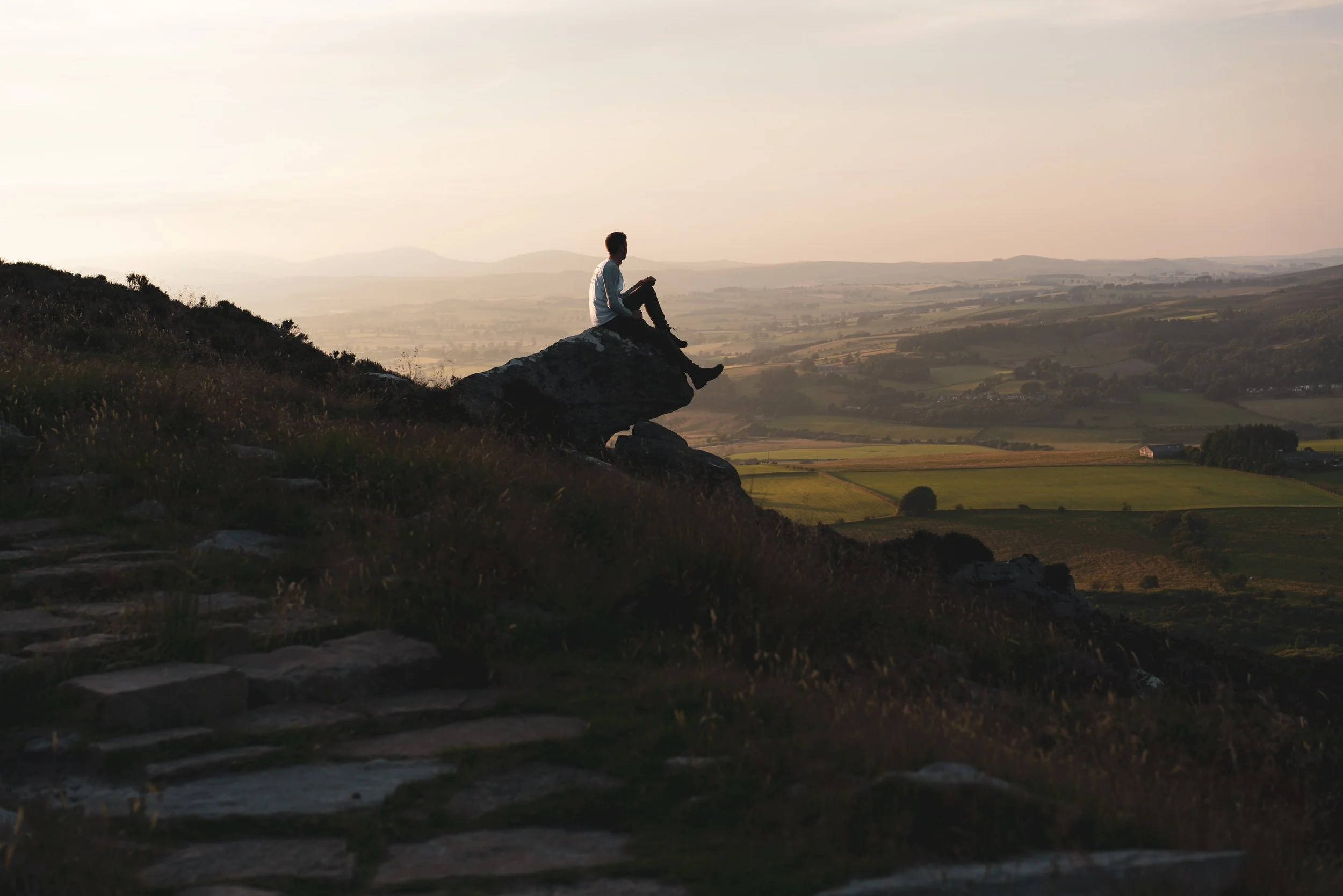
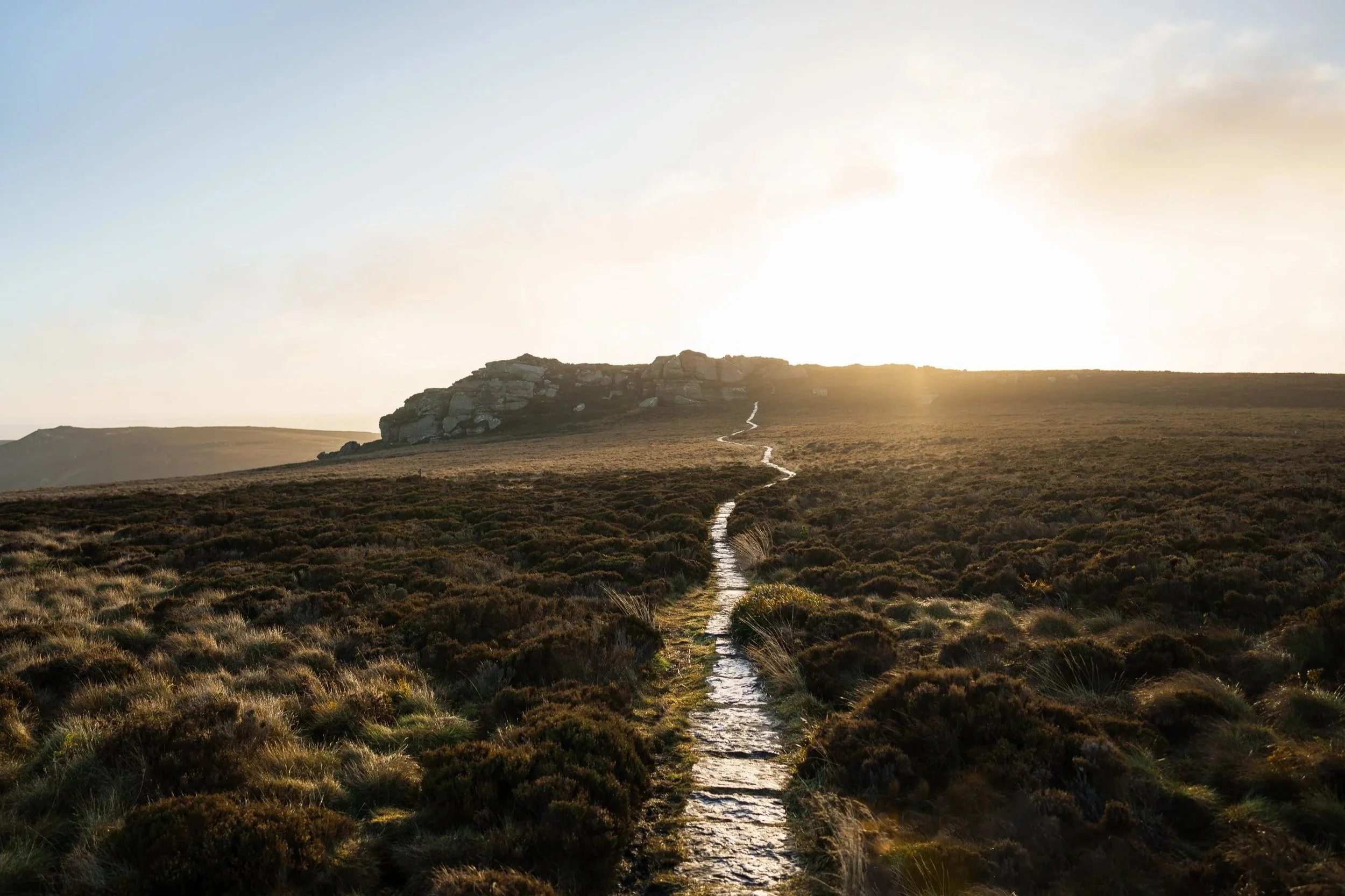
From the moor at Lordenshaws, the Simonside ridge fills the western sky and the Coquet winds below towards Rothbury. More than a hundred carved rocks lie in the heather, cut thousands of years ago. People have shaped this land for a long time, and for almost seven centuries one family owned it.
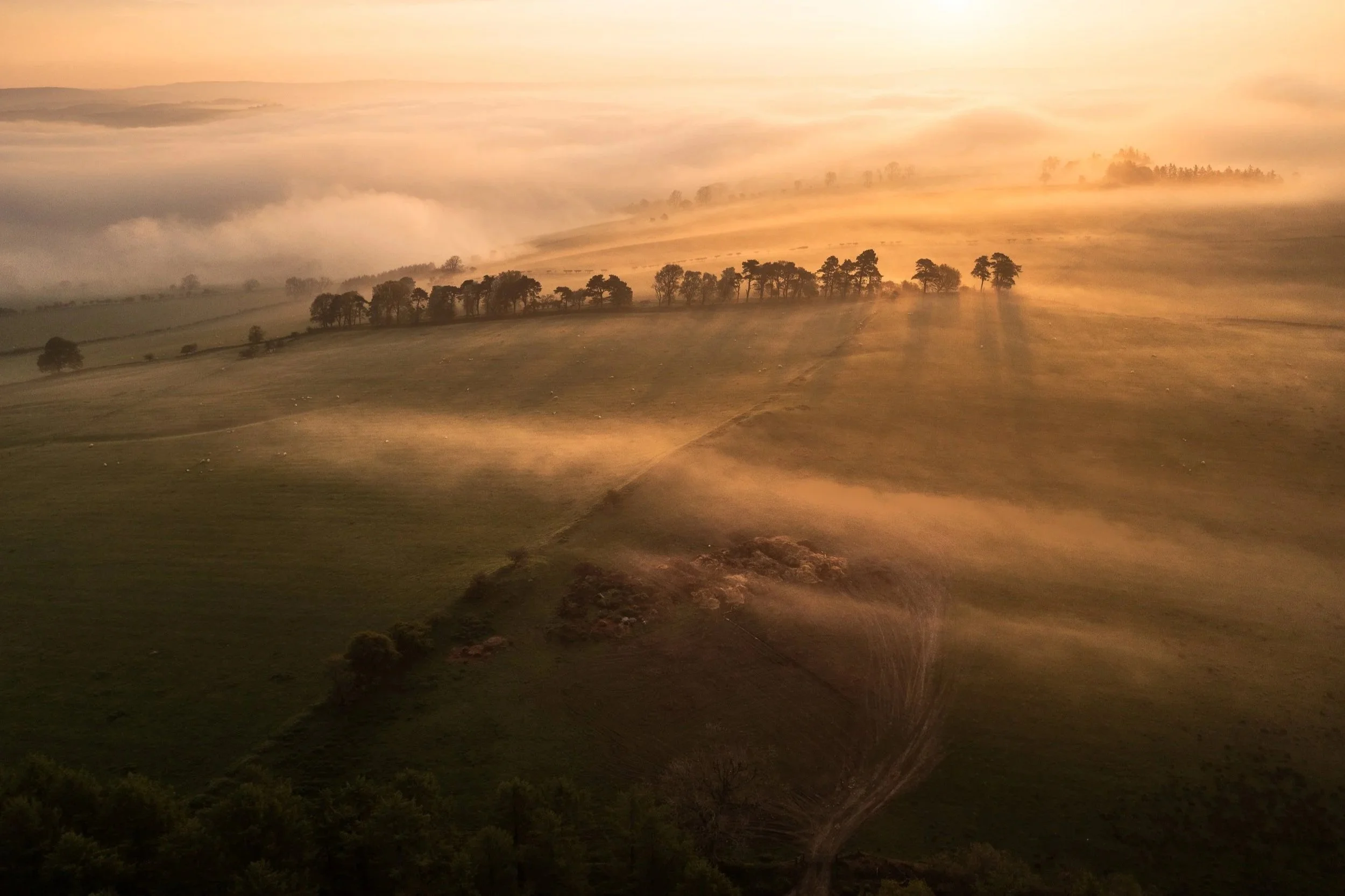
That changed in 2023, when Lord Max Percy, the Duke of Northumberland’s youngest son, put the 9,500-acre estate on the market for £35 million. It was the largest block of land offered for sale in England in 30 years: 12 working farms, the Simonside Hills, moorland, woodland and a stretch of the River Coquet. Unless a buyer kept it whole, it was likely to be split into lots, with much of it planted with commercial conifers.
In October 2024, The Wildlife Trusts and Northumberland Wildlife Trust bought the first part, including Simonside, and launched a £30 million appeal for the rest. It became the largest fundraising campaign in their history.
Support came from everywhere. Sir David Attenborough’s backing brought in more than £1 million in a single week. In March 2026, a £5 million grant from The National Lottery Heritage Fund took the appeal past halfway. The Esmée Fairbairn Foundation, Monday Charitable Trust, Samworth Foundation, Ringtons and anonymous philanthropists added major gifts, and in November Defra pledged £1.94 million. Closer to home, the Rothbury WI, the Cycling Cranks cycling club and Curvy Sounds guitar shop all raised money. Gifts arrived from more than 50 countries, and the public gave over £17 million.
Some pledges were still to be paid, so the charities took out a low-interest loan to cover the gap until that money arrives. The purchase is complete, and the estate stays whole.
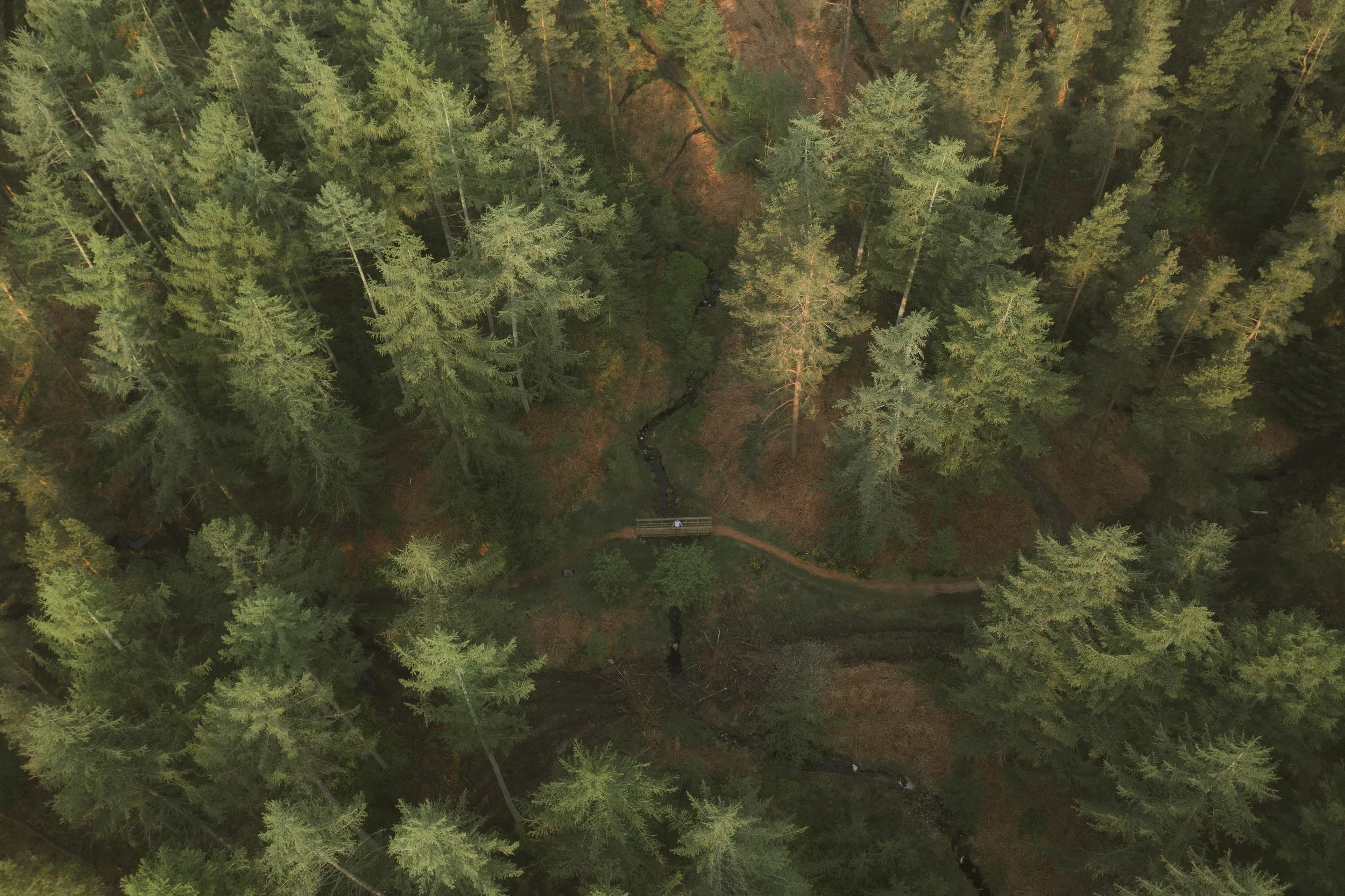
It is worth keeping. Curlew breed on the moor and merlin hunt over the heather. Red squirrels hold on in the woods. Lordenshaws has the densest concentration of prehistoric rock art in Northumberland. At COP17, the UK Government named the estate as a significant site for 30by30, the target to protect 30 per cent of land and sea for nature by 2030.
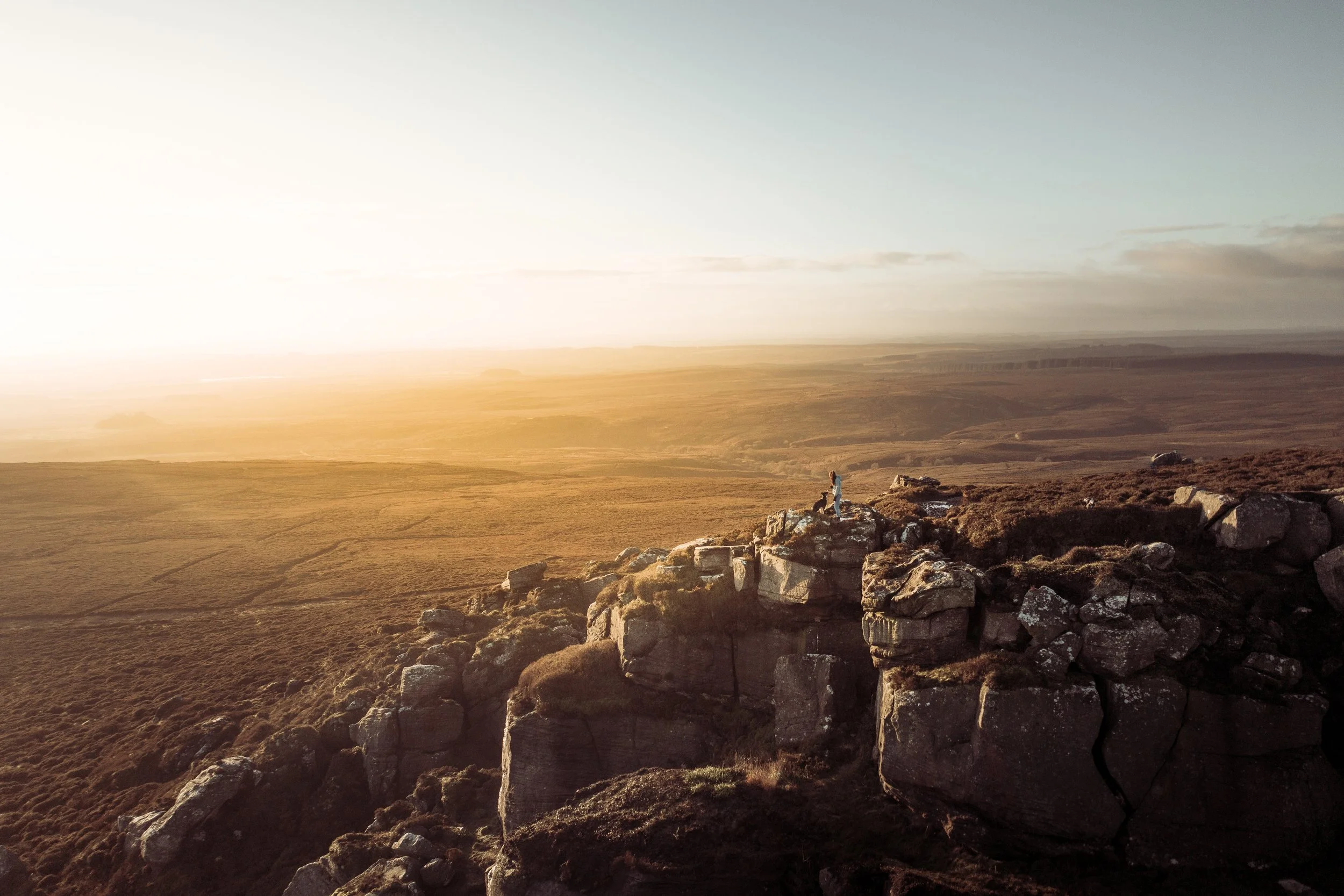
Now comes the work on the ground: peat bogs restored, rivers reconnected and farming that works with nature, not against it. The farms and the people who work them stay at the heart of the plan.
Some of that work has already started. Since 2024, archaeologists, birders, academics, Scouts and the WI have helped survey the estate. This winter, new citizen-science projects begin, including reptile surveys, soil health testing and acoustic monitoring. Local people can sign up through Northumberland Wildlife Trust. Rothbury will also form one link in a new 40-mile nature corridor from the Northumberland coast to Kielder.
Sir David believes it can become a place where “nature, community, farming and heritage can combine to create something very special for generations to come.”
Rewilding is slow, and its results will show over decades. But the hardest part is done: the land is still in one piece.
The fundraising is over. The rewilding starts now.
Photography by Joe Taylor