
Where a Sycamore Once Stood
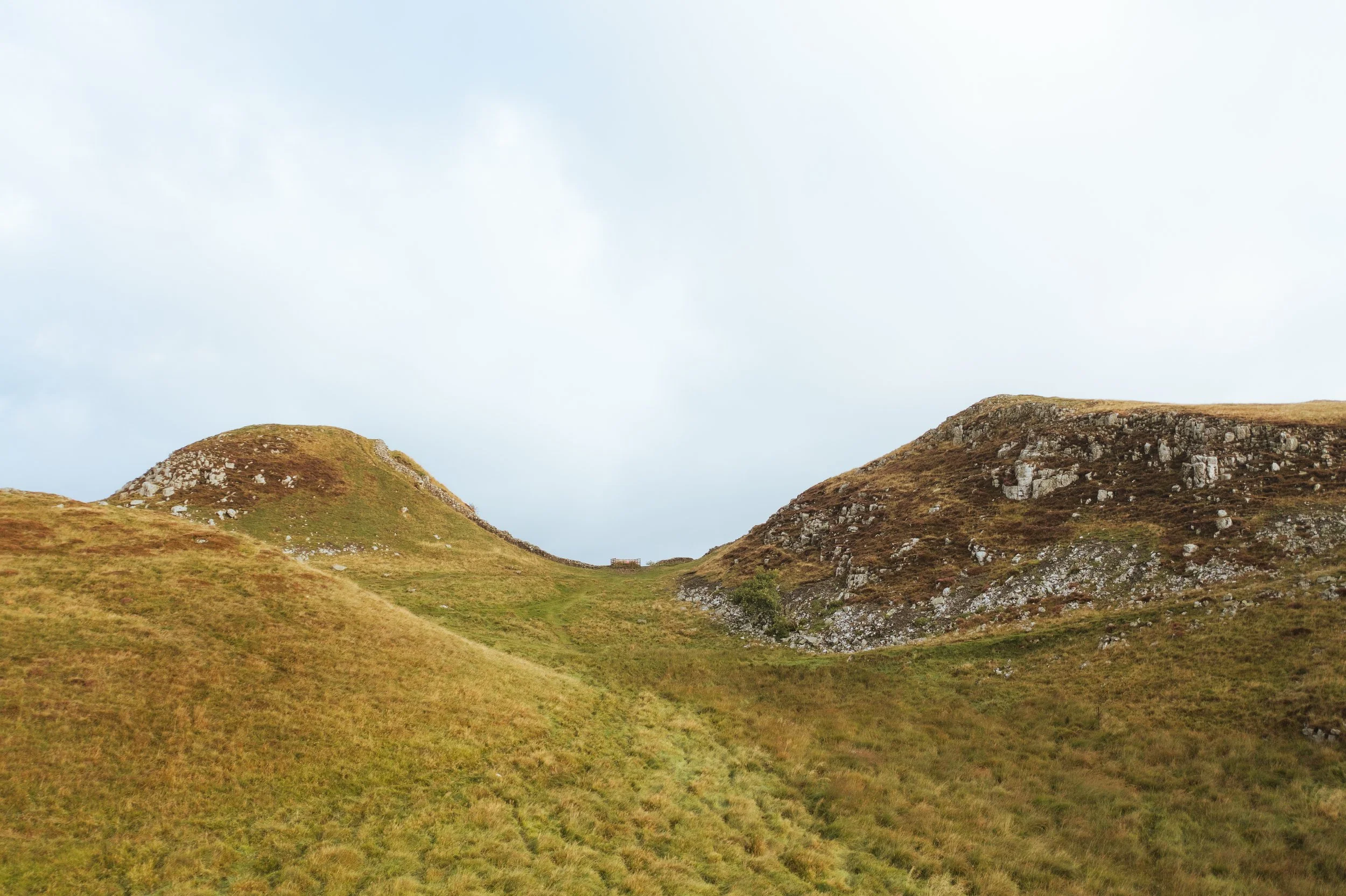
On September 28th 2023, the world awoke to the unfathomable news that in the early hours, the iconic Sycamore Gap tree had been deliberately felled with a chainsaw. For nearly 200 years, the tree had stood alone in a dramatic dip along Hadrian’s Wall, a beloved symbol of Northumberland and one of the most photographed trees in the world. As the sun rose over the landscape that morning, only the stump remained. The once-mighty trunk and branches lay sprawled across the earth in a scene of senseless destruction, prompting an international outpouring of grief. Now, two years later, a nearly seven-foot section of the trunk stands tall again. This time it’s as a centrepiece of a permanent exhibition honouring the legacy of the tree and looking to the future with a powerful sense of resilience and hope.
The Sycamore Gap tree was neither particularly ancient nor a native species, but its setting gave it a totemic status. Tucked into a fold of the hills in an area of outstanding natural beauty, steeped in ancient history, the perfectly positioned tree became a famous vista synonymous with the county of Northumberland. For locals, it held a profound presence, a quiet constant in the landscape, there for as long as anyone could remember. People travelled to the tree to picnic, propose, scatter ashes, or simply to find solace in nature. When it was felled, the outpouring of grief that followed was immense. In the weeks and months after, the Northumberland National Park Authority received thousands of emails, letters and messages expressing sorrow and disbelief. This was a community, and a wider public, in collective mourning.
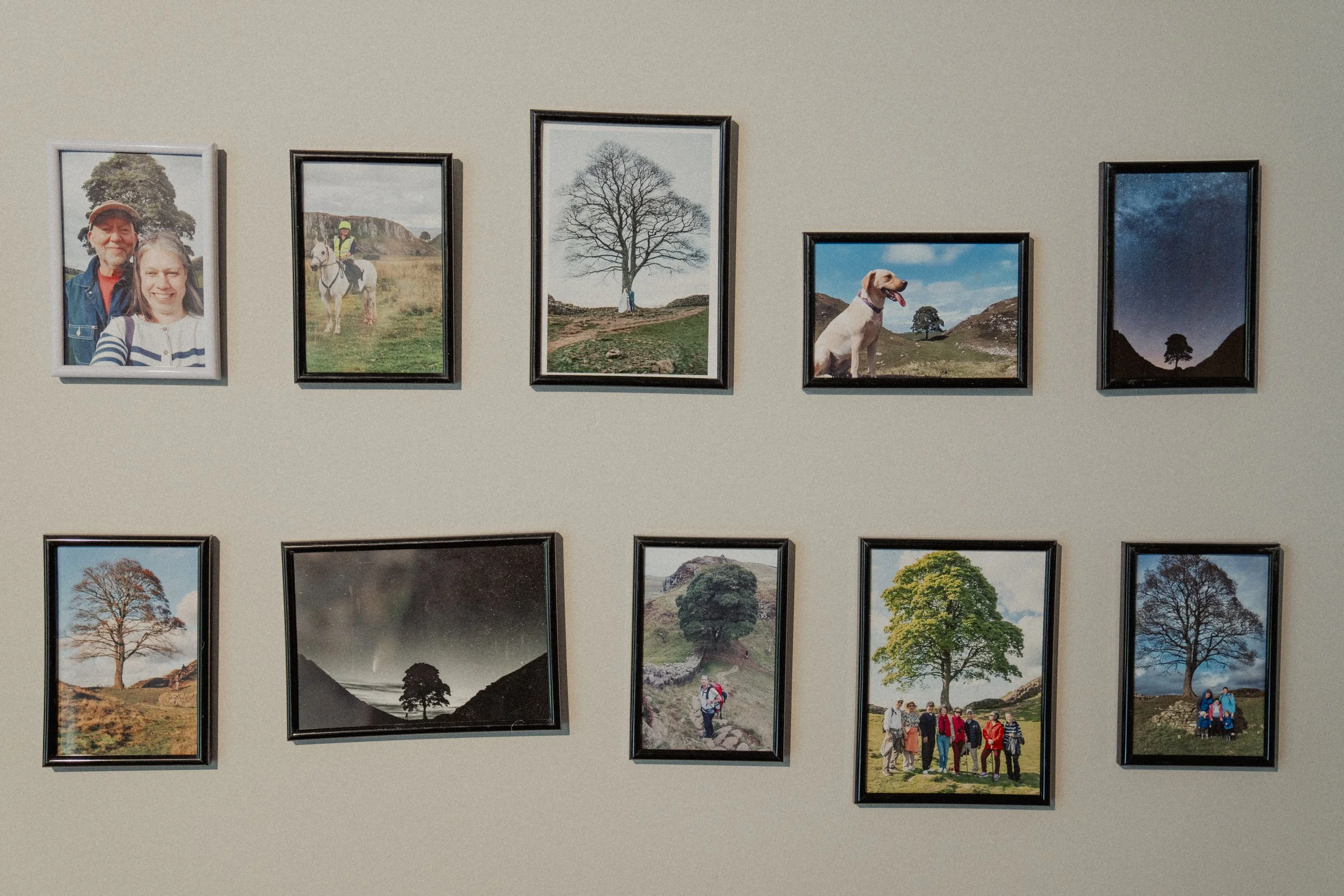
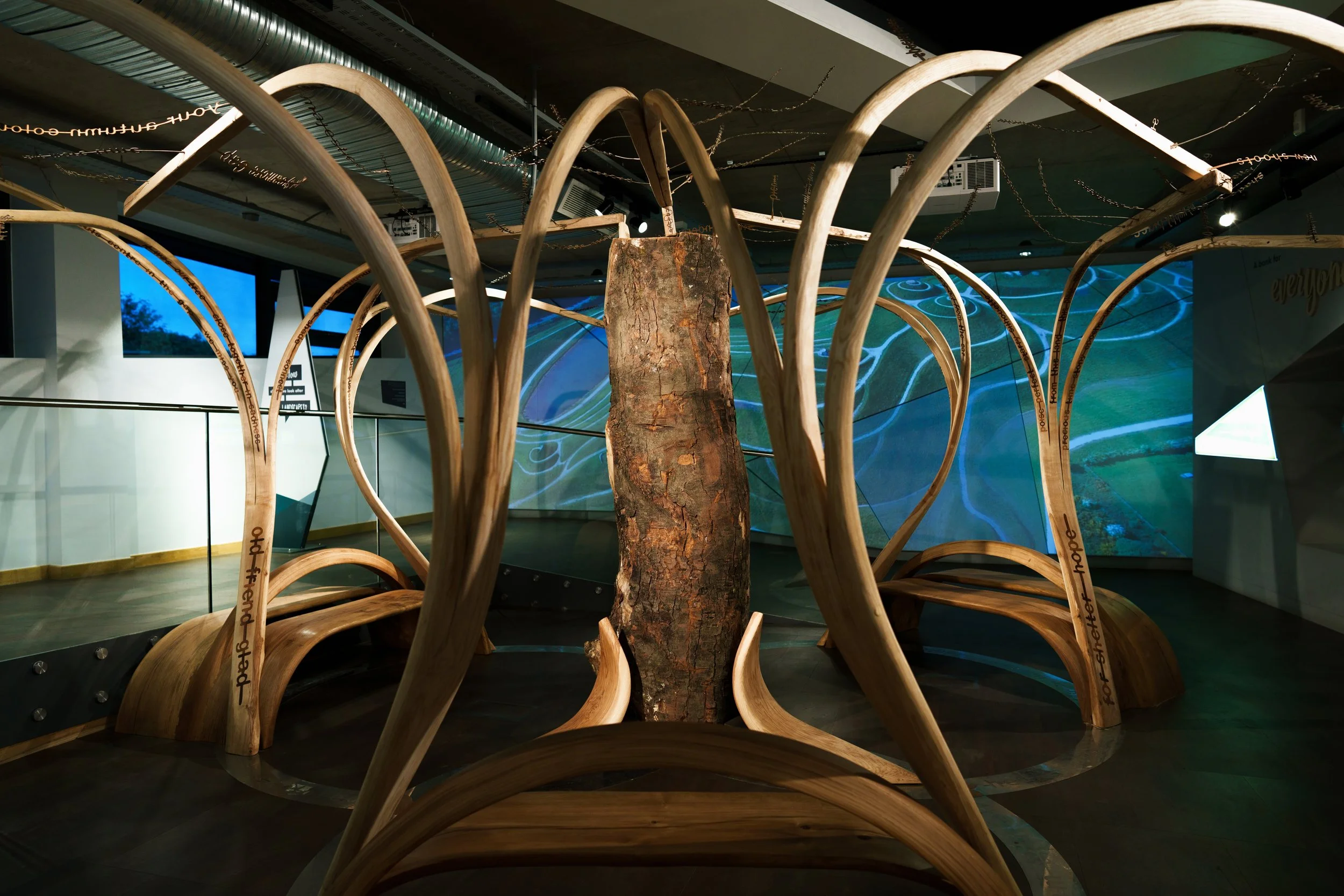
Two years on from the felling, the perpetrators have been brought to justice, marking the end of one of the county’s most painful chapters. Now, the Northumberland National Park Authority is looking to the future with hope, while paying tribute to the legacy of the tree and what it meant to so many. The largest piece of the salvaged Sycamore Gap tree trunk is now the focal point of a new permanent exhibition titled Sycamore Gap: Coming Home. The installation is housed at The Sill: National Landscape Discovery Centre, just a couple of miles from where the tree once stood. Upon receiving the commission, local sculptor Charlie Whinney spent months speaking with hundreds of people about what the tree meant to them, allowing their voices and memories to shape his vision. It quickly became clear that this memorial needed to be more than something to simply look at; it had to be something people could feel and touch. The concept evolved significantly, as Charlie set out to create a space where people could connect with the tree in a deeply tangible way, even embrace it, if they wish. The result is a beautifully powerful installation: the trunk stands upright, as it did in life, surrounded by three oak benches arranged to evoke the feeling of a quiet gathering place. Curved pieces of steam-bent wood form a canopy over the space, each inscribed with words, phrases and tributes submitted by members of the public – simple yet heartfelt expressions like Old friend and From this land.
From Northumberland’s darkest of hours, it’s remarkable to reflect on how much good has grown from such a tragic event. By the time the two men responsible for felling the Sycamore Gap tree are released from prison, 49 saplings – each grown from seeds taken from the very tree they sought to destroy – will have been planted across the country. The ‘Trees of Hope’ initiative, launched by the National Trust, received nearly 500 applications from individuals, schools, charities and community groups hoping to receive one of the saplings. In the end, 49 were chosen – one for every foot of the sycamore’s original height. Each sapling is a living legacy grown from loss, and a reminder that even in destruction, new life can take root.
As for the tree stump, over 25 new shoots have emerged from the base, giving hope that the tree lives on. While it’s still early days, there is hope that, if left undisturbed, these shoots could develop into significant new growth, forming a circle of ‘new’ trees around the original stump.
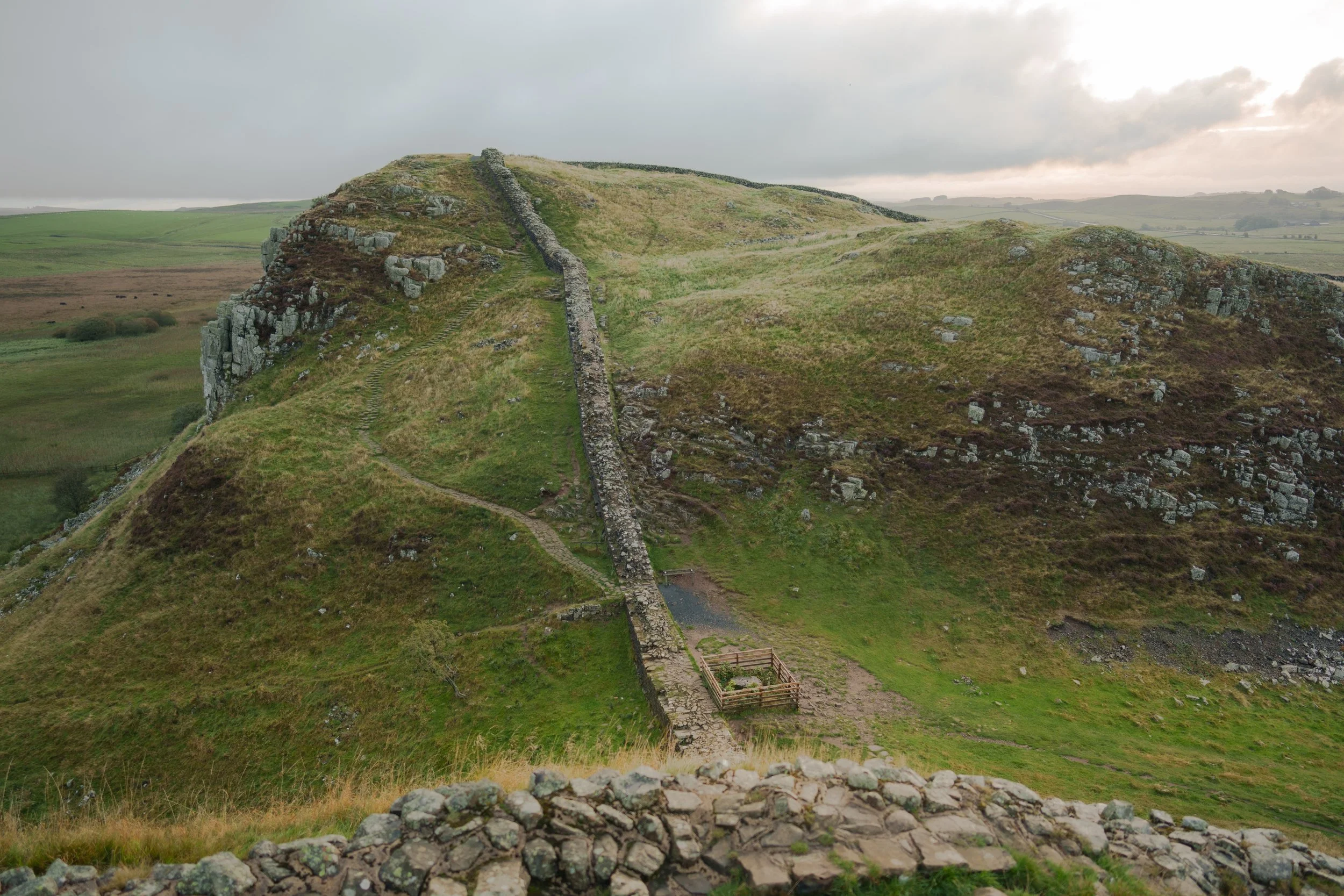
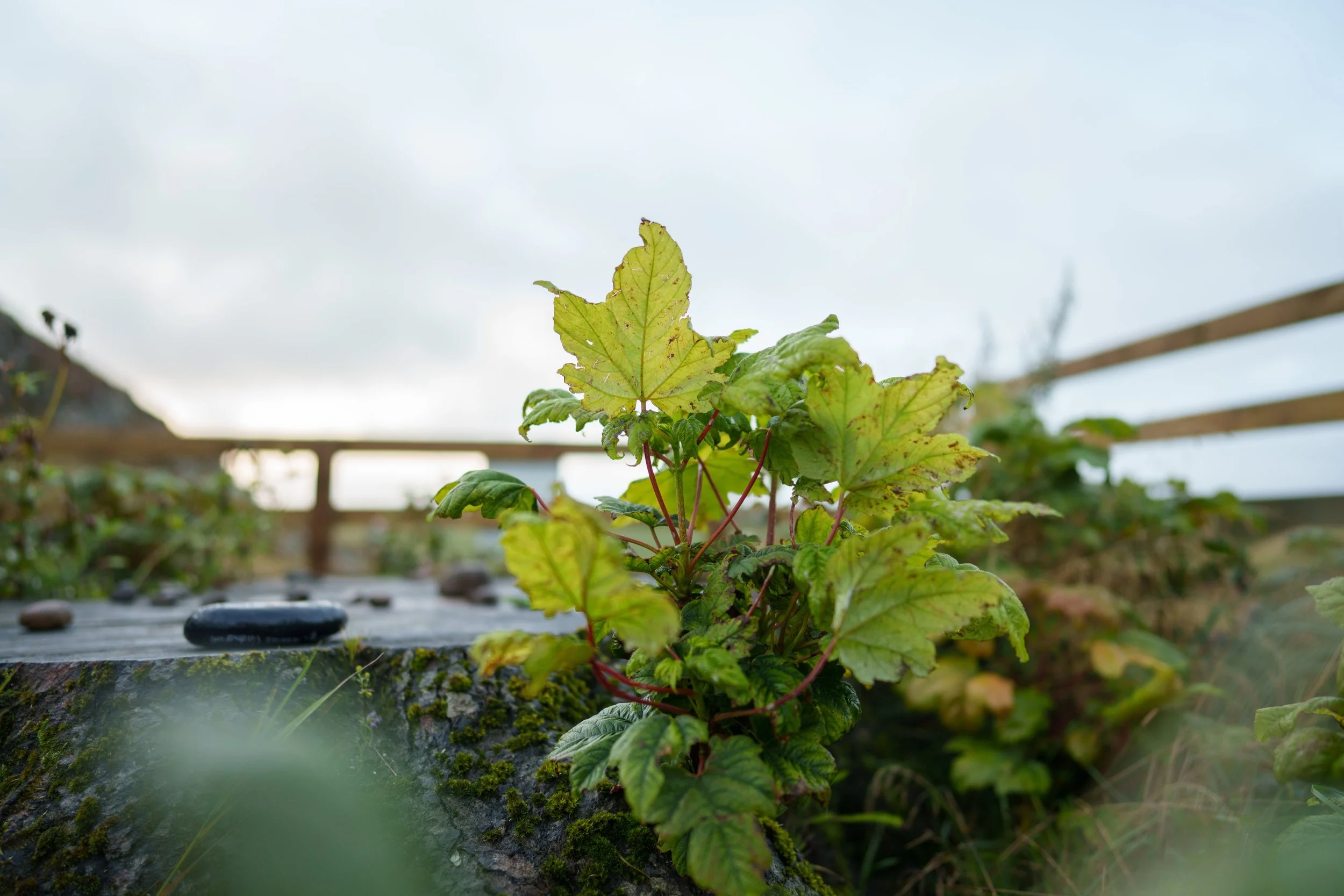
The original tree may be gone in the form we once knew, but through artistic response, its legacy lives on. This installation is a true collective effort and stands as a powerful symbol of our interdependent relationship with nature. For those who return to where the tree once stood, the landscape still holds the same awe it always has. New life is taking root, and what was lost has sparked hope. Even in absence, something meaningful can grow.
Photography by Joe Taylor
As featured in This Is Northumberland 2026